
August 28, 2026
Efficient High Bay LED Lighting for Large Spaces
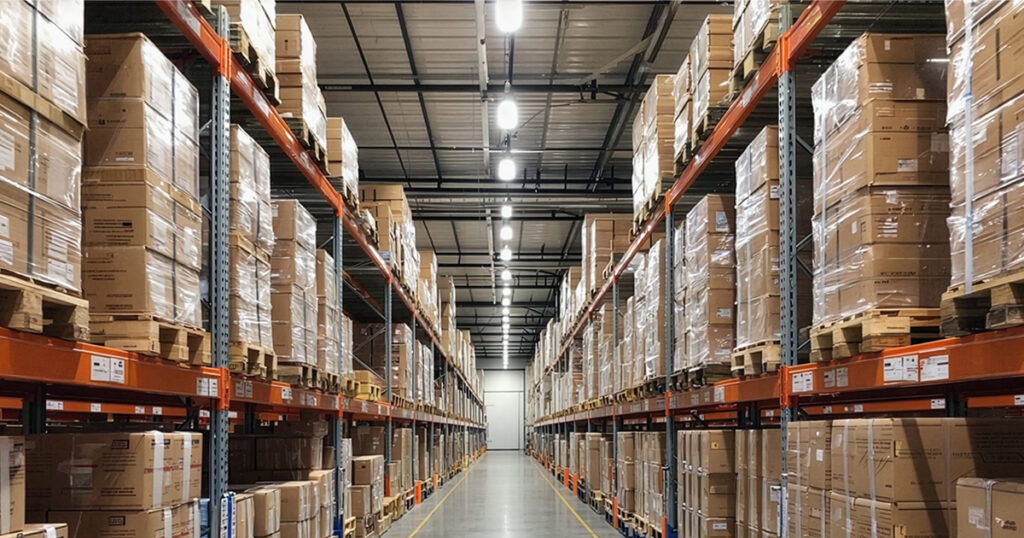
High bay LED lighting helps large, tall-ceiling spaces become brighter, safer, and easier to manage. For warehouses, factories, gyms, distribution centers, workshops, and retail big-box environments, the right fixtures can improve visibility while reducing the maintenance demands that often come with older lighting systems. This guide explains the practical benefits of high bay lights and what to consider before choosing a new setup.
What makes high bay LED lighting a smart upgrade?
High bay LED lighting is a smart upgrade because it is designed to deliver strong, consistent illumination from elevated mounting heights while using energy more efficiently than many traditional options. In spaces where lights may run for long shifts or full business days, that efficiency can make a meaningful operational difference. Just as important, LED technology supports better light quality, faster start-up, and lower maintenance needs, which helps teams work more comfortably and confidently.
Traditional high-intensity discharge or fluorescent systems often come with compromises: warm-up time, uneven light distribution, frequent lamp changes, or a gradual decline in brightness. A modern led high bay light addresses many of those issues with focused output and durable construction. For businesses that rely on clear visibility, the upgrade is not just about replacing bulbs; it is about improving how the entire space performs.
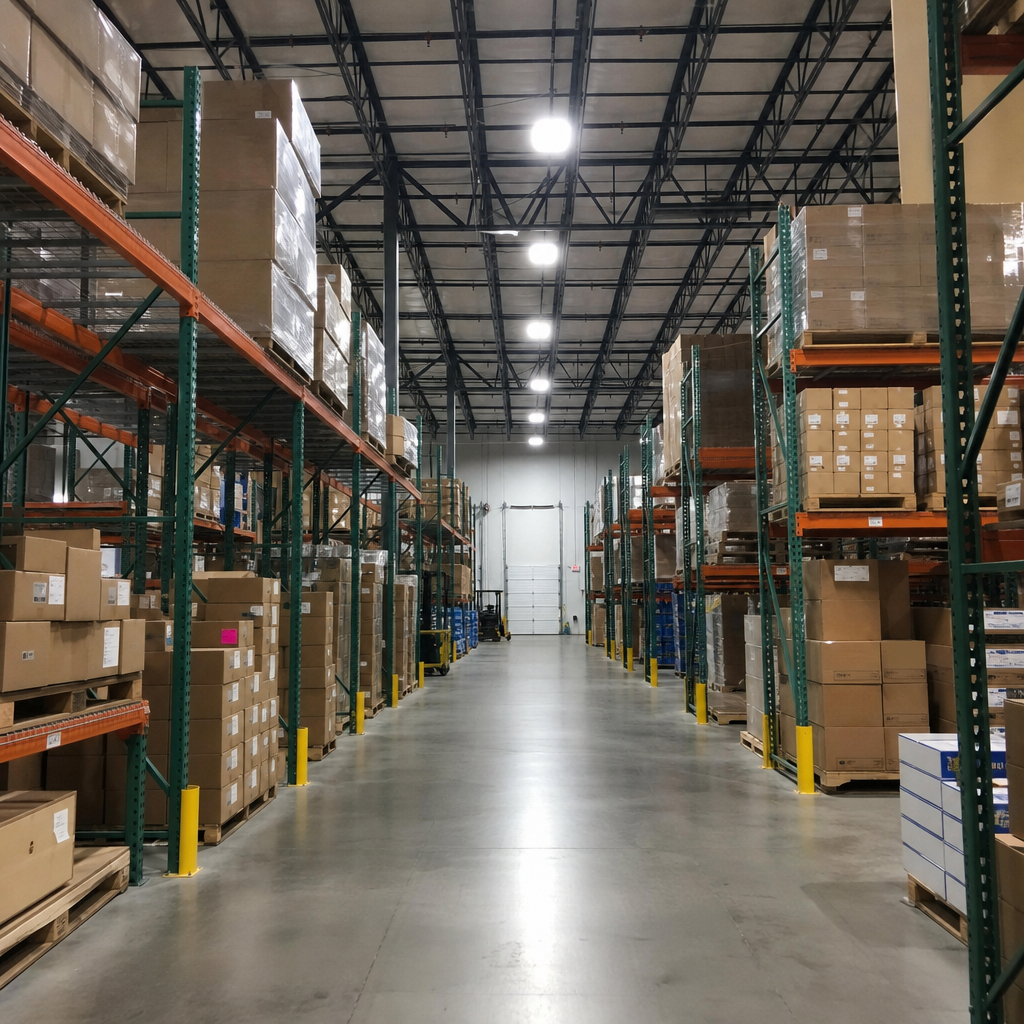
Better visibility in tall and demanding spaces
Large buildings need more than simply “bright” lighting. They need light that reaches the work plane, spreads evenly, and reduces dark spots between aisles, machinery, shelving, or activity zones. High bay lights are designed for this challenge, especially in spaces with ceilings that are too high for standard commercial fixtures.
With the right layout, led high bay light fixtures can help employees read labels, operate equipment, inspect products, and move safely through the facility. Better visibility also supports accuracy. In warehouses, clearer light can make picking, packing, and inventory checks easier. In manufacturing areas, it can help workers see materials, tools, and surface details more clearly.
Light distribution matters as much as brightness. A fixture that produces a harsh beam in one area and shadows in another may create discomfort or safety concerns. Properly selected industrial high bay lighting fixtures can provide a more balanced result by matching beam angle, lumen output, and fixture spacing to the room’s height and use.
Energy efficiency that supports lower operating costs
One of the most recognized benefits of led high bay industrial lighting is energy efficiency. LEDs convert more of the energy they use into usable light, which can reduce wasted power compared with older lighting technologies. For facilities with many fixtures or long operating hours, that efficiency can contribute to lower utility demand over time.
This benefit is especially important in industrial and commercial buildings because lighting is often a constant requirement. A single fixture may not seem like a major expense, but dozens or hundreds of fixtures can add up quickly. Choosing high bay led lighting can help align the lighting system with broader goals such as cost control, operational efficiency, and sustainability.
Energy performance also depends on design choices. Over-lighting a space wastes energy, while under-lighting can create productivity and safety problems. A thoughtful plan considers:
- The mounting height and ceiling structure
- The task being performed in each area
- The desired brightness level for comfort and accuracy
- Beam angle and fixture spacing
- Controls such as dimmers, occupancy sensors, or daylight harvesting
- The existing electrical infrastructure
When those details are considered together, a led high bay system can provide useful illumination without using more power than necessary.
Reduced maintenance and fewer disruptions
Lighting maintenance in a tall building can be inconvenient, time-consuming, and disruptive. Reaching fixtures may require lifts, ladders, shutdown areas, or after-hours work. In busy warehouses and manufacturing spaces, every maintenance event can interfere with normal operations.
LED fixtures are valued partly because they are built for long service life. While every product varies, quality led high bay light fixtures typically reduce the need for frequent lamp replacements associated with older technologies. That means maintenance teams can spend less time reacting to failed lights and more time focusing on higher-priority facility needs.
Reduced maintenance also supports consistency. If an older system has bulbs failing at different times, the space may gradually become patchy or uneven. A reliable set of high bay lights helps maintain a cleaner, more professional environment, especially in customer-facing areas, sports facilities, or production spaces where presentation matters.
Improved safety and comfort for workers
Good lighting is closely tied to workplace comfort. Poorly lit spaces can cause eye strain, make hazards harder to spot, and create a less inviting atmosphere. High bay LED lighting can help improve the visual environment by delivering clear, immediate light without the flicker, buzzing, or slow warm-up associated with some older systems.
In industrial settings, visibility can affect how confidently people move around equipment, racks, loading areas, and marked walkways. Shadows near steps, corners, or machinery can increase risk. A well-planned led high bay industrial setup helps reduce those blind spots and makes the building feel more organized.
Color quality is another practical consideration. A neutral or cool white light may help support alertness and detail recognition in work areas, while a slightly warmer tone may be preferred in public or recreational spaces. The best choice depends on how the space is used, but the goal is the same: create an environment where people can see clearly and work comfortably.
Where are LED high bay light fixtures most useful?
LED high bay light fixtures are most useful in large indoor spaces with elevated ceilings where standard lighting cannot provide enough reach or coverage. They are commonly used in warehouses, manufacturing plants, distribution centers, gymnasiums, aircraft hangars, indoor sports facilities, large retail stores, and workshops. Any space that requires broad, dependable illumination from above can benefit from a properly selected led high bay light.
Different environments call for different fixture styles. A warehouse aisle may need a beam pattern that directs light down between racks. A gym or open production floor may need wider distribution for uniform coverage. A dusty, damp, or temperature-sensitive area may require fixtures with appropriate ratings and housings.
Common use cases include:
- Warehouses and distribution centers High bay led lighting helps illuminate aisles, loading zones, staging areas, and storage racks so teams can move efficiently.
- Manufacturing and assembly spaces Clear light supports detailed work, quality checks, machine operation, and safer movement around equipment.
- Gyms and indoor sports facilities Even illumination helps athletes, spectators, and staff see the space clearly without distracting dark patches.
- Retail and showroom environments High bay lights can brighten large sales floors and help merchandise appear clean, visible, and organized.
- Workshops and maintenance areas Strong overhead lighting makes it easier to identify parts, read markings, and complete hands-on tasks.
Design flexibility for different building needs
Modern led high bay fixtures come in several styles, allowing facilities to choose a solution that fits the space rather than forcing the space to adapt to the fixture. Round “UFO” high bays are often used in open areas because of their compact shape and broad light distribution. Linear high bays are frequently used in aisles, production lines, and rectangular layouts where light needs to follow the shape of the space.
Mounting options also matter. Some fixtures are suspended by hooks, chains, or cables, while others are mounted closer to the ceiling structure. The right choice depends on ceiling height, building layout, vibration concerns, and access needs.
Controls add another layer of flexibility. Occupancy sensors can help reduce energy use in areas that are not always active. Dimming can make lighting more adaptable for cleaning, stocking, events, or changing production needs. In spaces with skylights or daylight exposure, controls may help balance natural and artificial light throughout the day.
How should you choose the right led high bay?
You should choose the right led high bay by matching the fixture to the height, layout, tasks, and environmental conditions of the space. A bright fixture is not automatically the best fixture; the goal is useful, comfortable light where people actually need it. Before buying, evaluate how the area functions, where visibility matters most, and whether the fixture design supports even coverage.
A practical selection checklist includes:
- Ceiling height: Taller spaces usually need higher lumen output or a narrower beam to deliver light effectively to the floor.
- Fixture spacing: Lights placed too far apart can create shadows, while lights placed too close together may waste energy or cause glare.
- Beam angle: Narrower beams focus light downward; wider beams spread light across open areas.
- Color temperature: Choose a tone that fits the task and environment, from crisp task lighting to more comfortable general illumination.
- Durability needs: Consider dust, moisture, heat, cold, vibration, or potential impact in the facility.
- Controls compatibility: Confirm whether the fixtures support dimming, sensors, or other control systems.
- Installation access: Think about how fixtures will be mounted, wired, cleaned, and maintained over time.
It is also worth reviewing the existing lighting layout before replacing fixtures one-for-one. Sometimes a direct replacement works well. In other cases, a redesigned layout with fewer, better-positioned industrial high bay lighting fixtures may provide a cleaner result.
A cleaner appearance and more modern facility feel
Lighting shapes how a building feels the moment someone walks in. Dim, inconsistent, or aging fixtures can make a space feel older than it is. A well-designed high bay LED lighting system can create a cleaner, brighter, and more professional impression for employees, visitors, vendors, and customers.
This matters in more than retail settings. In a warehouse or industrial building, a brighter environment can communicate organization and care. In a gym or sports facility, balanced lighting can make the space feel more welcoming and usable. In production areas, clean illumination can support a sense of precision and order.
LED fixtures are often more compact than older high bay systems, which can also improve the visual look of the ceiling. While appearance may not be the main reason to upgrade, it is a meaningful added benefit when the lighting system is visible throughout the building.
Environmental and operational advantages
For organizations working toward more responsible operations, led high bay lighting can support energy-conscious facility management. Using less electricity for the same general lighting purpose can help reduce the building’s overall energy demand. Longer service life may also mean fewer replacement lamps and less routine maintenance waste.
Operationally, LEDs are convenient because they turn on instantly and perform well in many demanding environments when properly specified. That can be helpful in facilities where lights are switched on and off throughout the day, or where immediate brightness is important for safety and productivity. Pairing fixtures with smart controls can make the system even more responsive to real-world use.
The strongest results come from looking at the whole system, not just the fixture. The best high bay led lighting plan considers performance, comfort, maintenance, installation, controls, and the way people actually use the building.
Key takeaways before upgrading
High bay lighting is a long-term facility decision, so it pays to plan carefully. The right system can improve daily work conditions, but the wrong fixture or layout may create glare, shadows, or unnecessary expense. A simple review before installation can prevent many common issues.
Keep these points in mind:
- Choose lighting based on the space and task, not brightness alone.
- Use led high bay light fixtures that match ceiling height and beam requirements.
- Consider controls if different areas have different usage patterns.
- Check durability needs for industrial, damp, dusty, or temperature-sensitive areas.
- Think beyond energy savings and include comfort, maintenance, and safety.
- Review layout opportunities instead of assuming every old fixture should be replaced in the same position.
A thoughtful approach helps ensure the finished system feels natural, efficient, and dependable.
Final thoughts
High bay LED lighting offers a practical combination of visibility, efficiency, durability, and design flexibility for large spaces. Whether you are improving a warehouse, production floor, gym, shop, or retail environment, the right led high bay setup can make the building easier to use and maintain. By choosing fixtures around real operating needs, you can create a brighter, safer, and more professional space that supports the people who use it every day.